In the realm of timeless legacies,
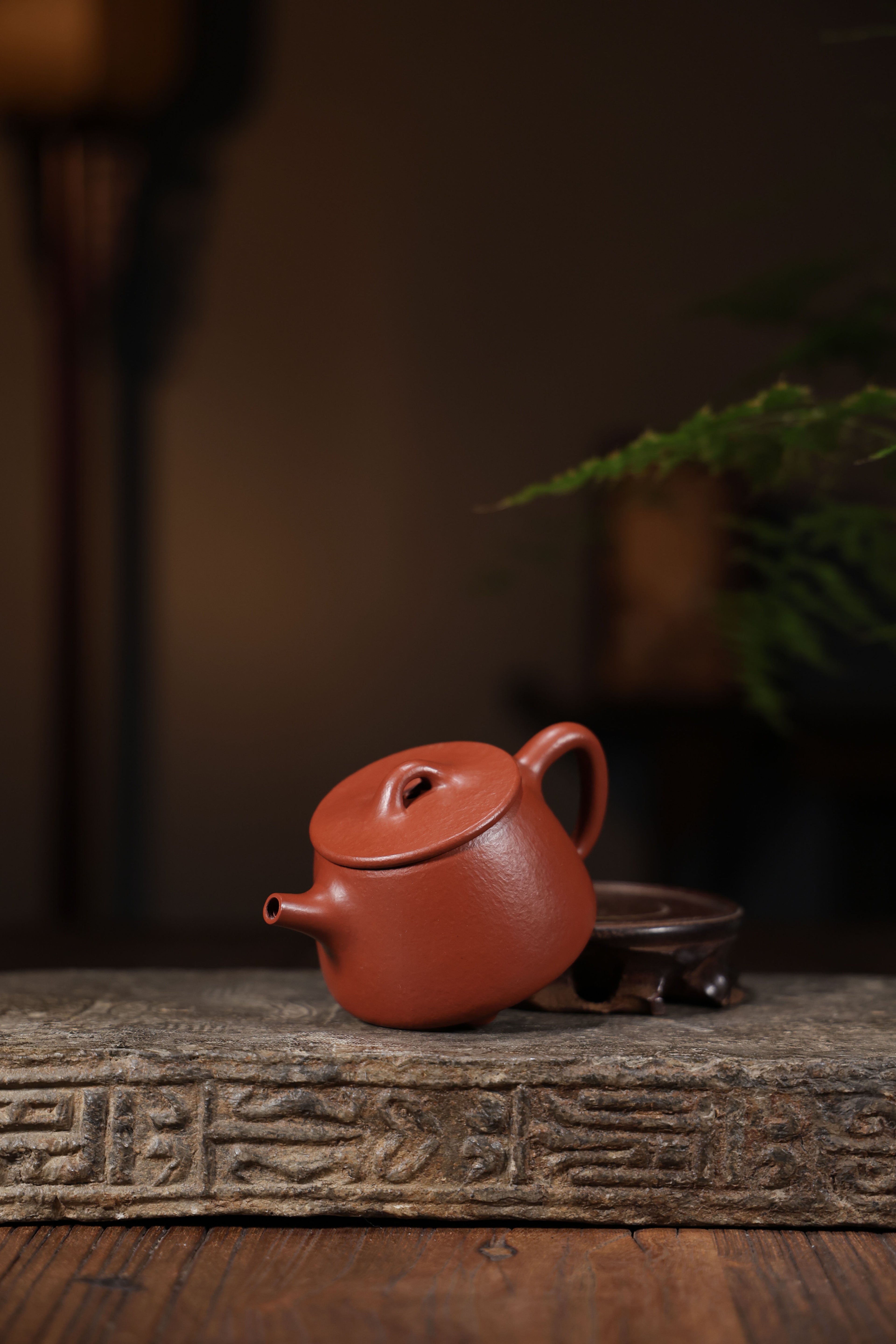
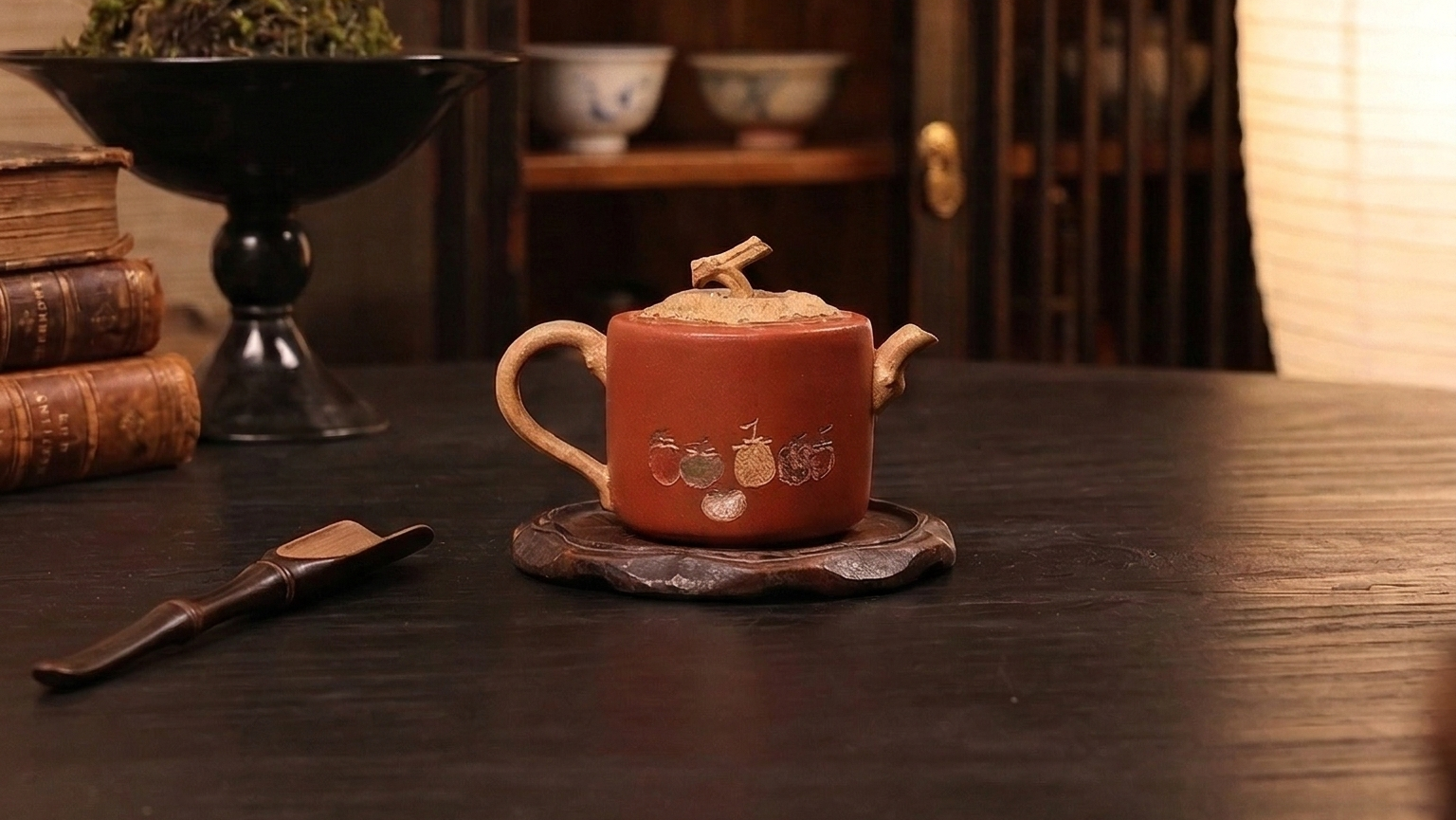
Within eras, gatherers have been captivated by the exceptional charm of Yixing Zisha pots. Originating from the province of Yixing in the Chinese province, these implements are renowned for their prominent beauty, rare clay, and intrinsic ability to perfect the savor of the beverage. The element's distinctive burgundy hue, combined with the proficient production of environmental potters, creates objects that are both functional designs and costly investments. Acquiring a Zisha teapot is more than just a purchase; it's embracing a rich cultural heritage.
Understanding Yixing Teapots: History, Types, and Esteem
Yixing teapots are a notable background deeply intertwined with Chinese culture. Developing in the Yixing region of Jiangsu province, these clay vessels exhibit a heritage connecting back to the Ming Dynasty. Preliminary examples were functional, but amidst centuries, Yixing teapot manufacturing evolved into an esteemed art form. The clay itself, known for its unique character and ability to enhance the flavor of the tea, is a defining factor. Yixing teapots materialize in various kinds, broadly categorized by shape: Established such as Zhuni (purple clay) and Bisheng, as well as distinct designs. The price of a Yixing teapot depends on several factors, including the potter’s acclaim, the age of the piece, the rarity of the clay, and its aesthetic beauty.- Chronology: Founding era
- Material: Zhuni (purple clay)
- Estimation Aspects: Uniqueness
Zisha Pot Expertise: Proficiency and Makers
One crafting of a bona fide Zisha teapot is a intricate process, requiring extensive times of skill. Veteran artisans meticulously source the premier Zisha clay, a unique earth found only in specific regions of China. Customary techniques, often bestowed through families, involve rigorous shaping, delicate carving, and methodical firing in ancient calcining chambers. The final teapot isn't merely a container; it's a testament to design vision and the deep connection between the artist and their tradition. Each object showcases the distinctive touch of the creator, resulting in a truly incomparable work of making.
Classical Artefacts: Exploring the Rich Traditions of Yixing City
Renowned Yixing, set in Jiangsu the district, is commonly renowned for its exceptional cookware – a tangible representation of centuries of Chinese craftsmanship. These aren't merely vessels for infusing tea; they are intricate works of mastery, often reflecting historical ideals. The unique purple clay, known as Zisha, possesses singular qualities: the clay dense, open to air, and imparts a subtle Chinese Teapot taste to the tea.
- Plentiful ancestries have honed the techniques of Yixing vessel making, passing down traditional methods through successions.
- Devotees prize these pieces for their aesthetic and rareness.
- A number of pot tells a chronicle, connecting the consumer to a rich past.
Committing to Yixing Zisha: Key Considerations
At the time of exploring obtaining Yixing Zisha pots, numerous factors necessitate careful review. Initially, the component's hue is vital; authentic Zisha conventionally exhibits a distinct rust-colored depth. As well, inspect the workmanship; meticulous traits and a smooth finish imply accomplished making. Eventually, consider the maker’s background; noted names obtain superior rates and often afford a secure gain.
Brewing Excellence with Zisha Teapots
Steeping tasty tea with a Zisha container is more exceeding a simple technique; it's an skill. Zisha clay, noted for its unique elemental composition, imparts a nuanced character to the brewed tea that’s often wanting with other implements. The ideal water warmth is vital; typically, subdued than what's used for black tea, to save the tea's scent and zest. Consider conscientiously the tea sort; delicate green teas or aged pu-erhs benefit from the Zisha’s ability to calm their intrinsic edge. It’s imperative to heat the teapot prior to brewing, and to exclude over-steeping. Mastering this method leads to a undeniably exceptional tea event.
- Understanding Zisha Clay
- Temperature Control & Kind of Tea
- Significance of Pre-heating
Sustaining Your Distinctive Ceramic Pot
For the purpose of sustain the longevity of your valuable Yixing ceramic pot, regular preservation is decisively essential. Avoid using abrasives; instead, mildly wash it with tepid aqueous substance. Ward off sudden heat; don't lay the container directly onto a burning stand. Periodically, develop the teapot by steeping it with excellent dark beverage, as this aids to build its personality and shields the inimitable traits of the earth.
About Material to Container: The Path of a Yixing Teapot
A creation of a Zisha teapot is a impressive operation, a expression to both the world's bounty and the expertise of the handworker. It launches with the diligent extraction of the special clay from the crimson Zisha mines neighboring Yixing. This untreated material, known for its outstanding essences, is then carefully purified and arranged for the original forming. The pot's profile is adeptly formed using a fusion of historical modeling techniques, often incorporating decorative motifs. Following hardening, the vessel undergoes a indispensable first firing, preceded by a dressing stage, which might involve several layers of genuine Zisha films. Finally, a second, and sometimes third, firing at extreme temperatures solidifies the piece, revealing its complete beauty and superlative characteristics - a honest masterpiece, available to beautify a tea tradition.
{Yixing Teapots: A Symbol of Chinese Civilization and Tribute
Famous Yixing teapots, originating from the famed Yixing region of Jiangsu province, are far more than mere pots for brewing brews; they represent a major aspect of Chinese civilization. Fabricated from distinctive purple clay – zisha – these distinctive teapots are highly prized for their ability to enhance the flavor of the tea and, crucially, for their beauty. The legacy of Yixing teapot making spans centuries, and the craft involved is inherited through generations, making each teapot a beautiful object that embodies classical techniques and a profound appreciation for the refined pleasures in life.