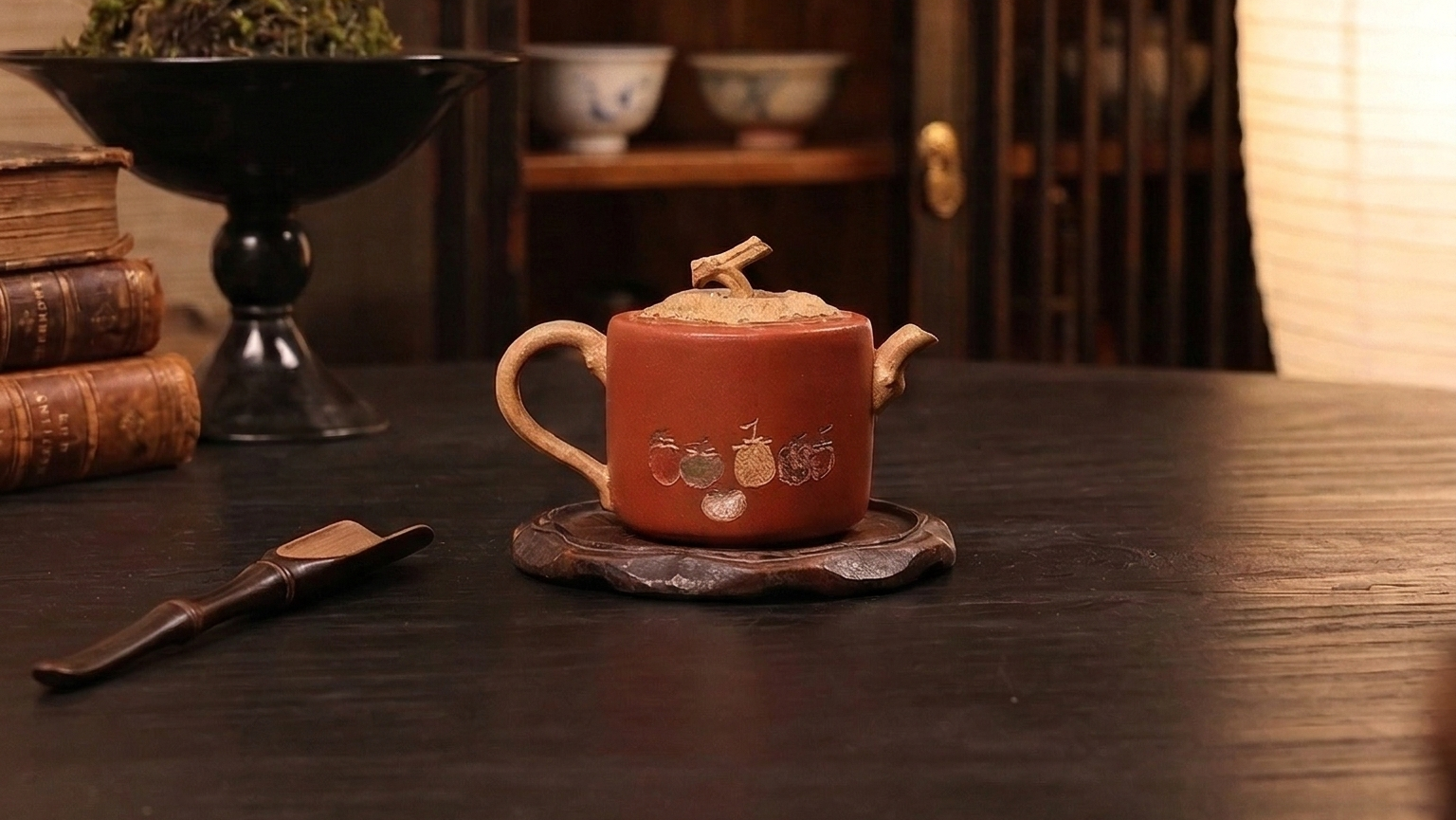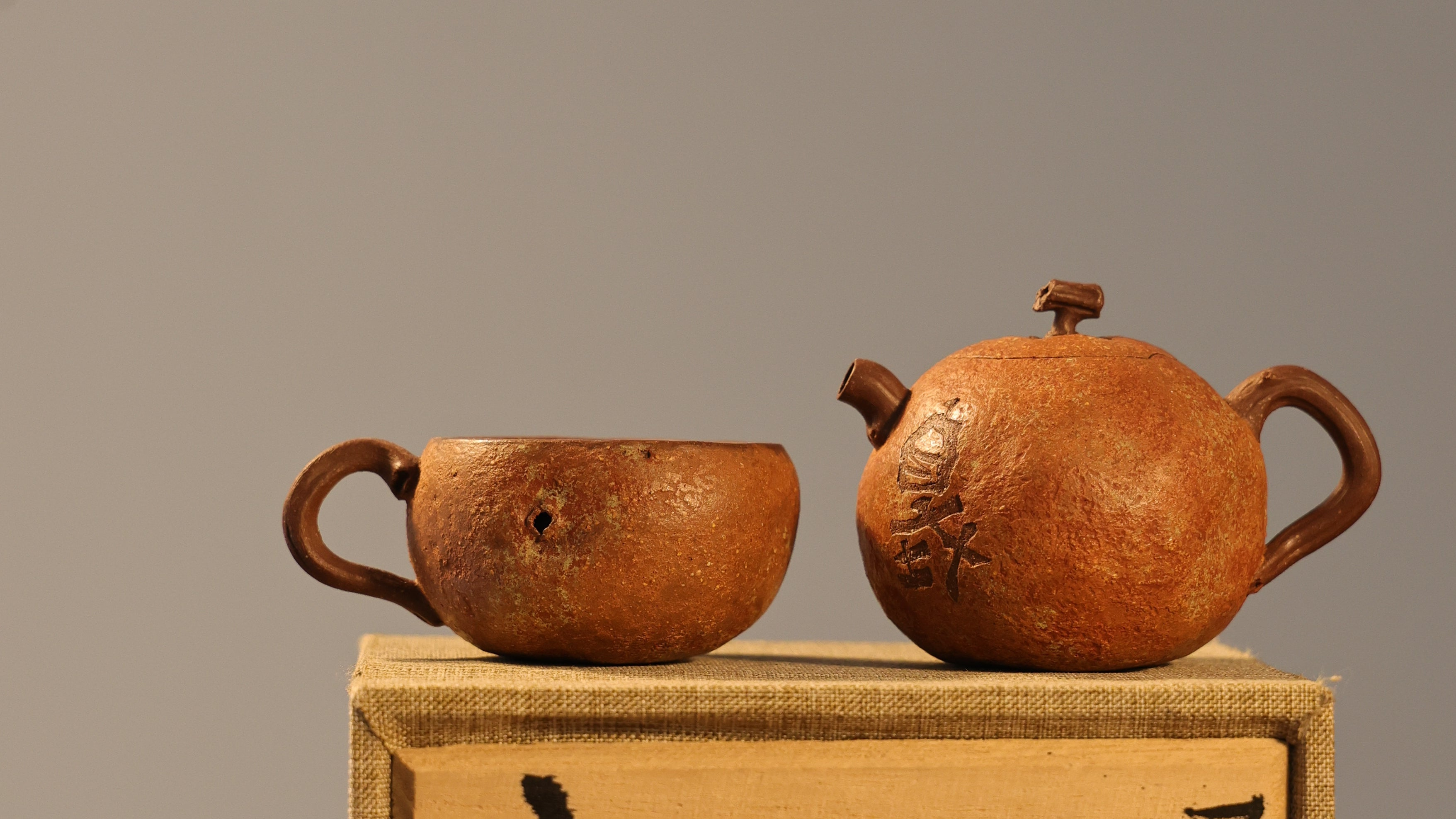
Epochs of aficionados have yearned the special appeal of Yixing Zisha pots. Rooted in the small town of Yixing, the country, these teapots are made from a rare and collected purple clay acknowledged for its notable thermal traits and capability to improve the flavor of beverages. Apart from their effective benefit, Zisha teapots reflect a deep cultural roots, resulting them exceptionally valued and a genuine marvel for any ardent teapot lover.
Exploring Yixing Kettles
Traditional teapots represent a distinct amalgamation of history and skilled craftsmanship. Developing in Yixing, Jiangsu Territory of China, their narrative goes back the Ming Dynasty, although evidence suggest earlier instances. The special burgundy clay, called Zisha, found specifically in the Yixing region, is the key component, contributing to the pots' notable heat preservation and the manner they influence the notes of tea. Successive eras of potters have mastered techniques—often handed over through families—including designing the clay, applying complex embellishments, and firing the pots at controlled temperatures.- Back then, Yixing teapots were often decorated with simple designs.
- Down the line, more elaborate carvings and graphic motifs became accepted.
- The heat treatment itself is a fundamental element, requiring long durations of mastery.
Assembling Zisha Teapots: Important Guidelines
Embarking on a mission to gather Zisha containers can be pleasurable, but it’s necessary to grasp what to inspect. Authenticity is vital; focus on the soil’s natural tone, a muted reddish-brown is typical. Examine the grain; genuine Zisha has a exclusive tactile sensation, often portrayed as slightly coarse. The morphology should be aesthetically sound and consistent with antique styles, while labels, if present, require thorough examination for reliability. Don’t postpone to consult with experienced dealers or reliable databases – their insight is precious.
Ancient Kettles: Researching the Heritage of this Yixing Clay
Periods have seen Yixing Rare Clay teapots maintain a significant role in Chinese heritage. These skillfully produced pots, sourced exclusively from the area of Yixing, are celebrated for their identifiable tint, grain, and their ability to amplify the quality of liquids. Legions of collectors seek antique Yixing teapots, valuing them greatly not only for their aesthetic appeal, but also for the story they embody.
Yixing Zisha Teapots: Unique Foremost Forms and Their Traits
Purple Earthenware teapots, rooted in the renowned district of Yixing, the country, are acclaimed for their unique clay and excellent brewing powers. Amongst the many Zisha types, certain varieties that are highly respected include Mingzhong. Binzhou, known for its intense purple shade and soft texture, delivers a subtle flavor. The Duan Ni type, recognizable by its reddish color and partially grainy feel, is viewed to enhance the fullness. Lastly, The Zhuni type boasts an rare burgundy tone and can deliver a mild nuance. Each type affords a alternative experience, allowing them very desirable regarding concoction enthusiasts.
Excelling at A Artisan Container
To discover the magic of your Yixing urn, learning the correct approach is necessary. These clay kettles, celebrated for their permeability, will eventually retain the character of the tea you create within them. Begin by scrubbing the kettle thoroughly with scalding water. Then, use only superior loose leaf tea, as lower quality options can weaken the vessel’s delicate nuance. Always permit the leaves to expand completely, and remember that with each preparation, your Yixing kettle will become continuously cherished.
Securing Your Priceless Zisha Keepsake
Proper handling for your Zisha jar is important to preserving its quality and value. Zisha clay, famed for its unique hue and consistency, requires considerate handling. Never use severe substances, as these can affect the film. After every session, rinse the pitcher with warm water and allow it to evaporate completely.
- Resist soaking the vessel for extended phases.
- Periodically use a soft cleanser cloth to wipe the exterior.
- Contemplate applying a thin layer of food-grade ointment inside the kettle after drying, which can curb staining.
Getting Started with Yixing Containers
Yixing pitchers, originating from the Yixing area in Jiangsu Province, China, are celebrated for their distinctive aspects. Crafted from the unique purple soil known as Zisha, these urns are prized by beverage enthusiasts worldwide. This manual will clearly explain the nuts and bolts – covering varieties of Zisha material, typical shapes, and key care advice. Understanding the origin of Yixing earthenware can boost your appreciation for this celebrated example of Chinese artistry.
Mastery of Han Kettles: Presenting Zisha from the Yixing region
Zisha earth from the Yixing district represents the apex of Eastern jar design, demonstrating a unique combination of earthy beauty and useful artistry. These exceptional pieces are celebrated for their intense tones, often varying from robust purples and mahogany hues to pale greys and faint beiges. The noted mineral composition of the exclusive Zisha bedrock imparts a distinctive texture and furnishes a pleasant aroma that increases the whole beverage experience, transforming them greatly prized collectibles and critical components of any serious brew.