Across age-old chronicles,
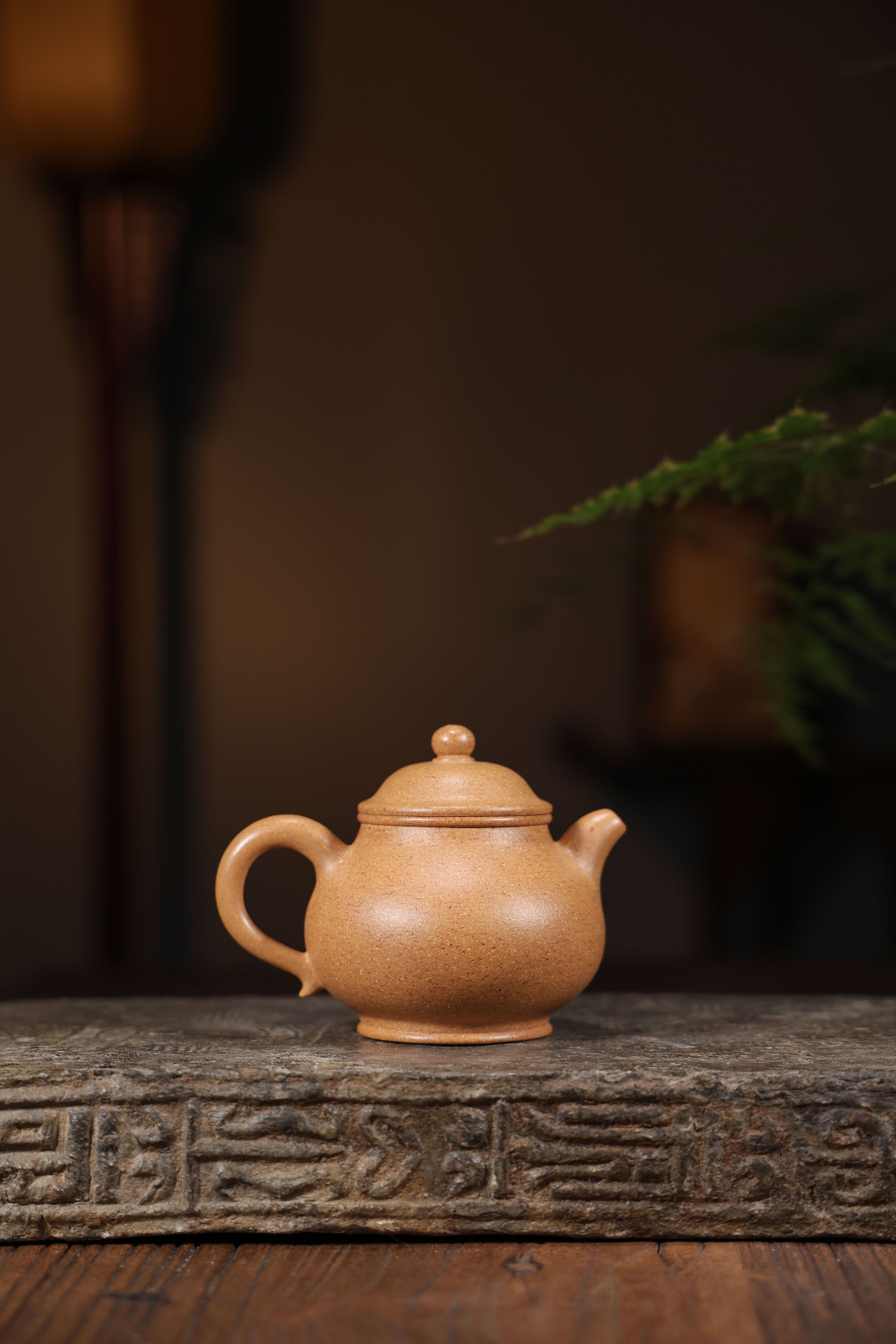
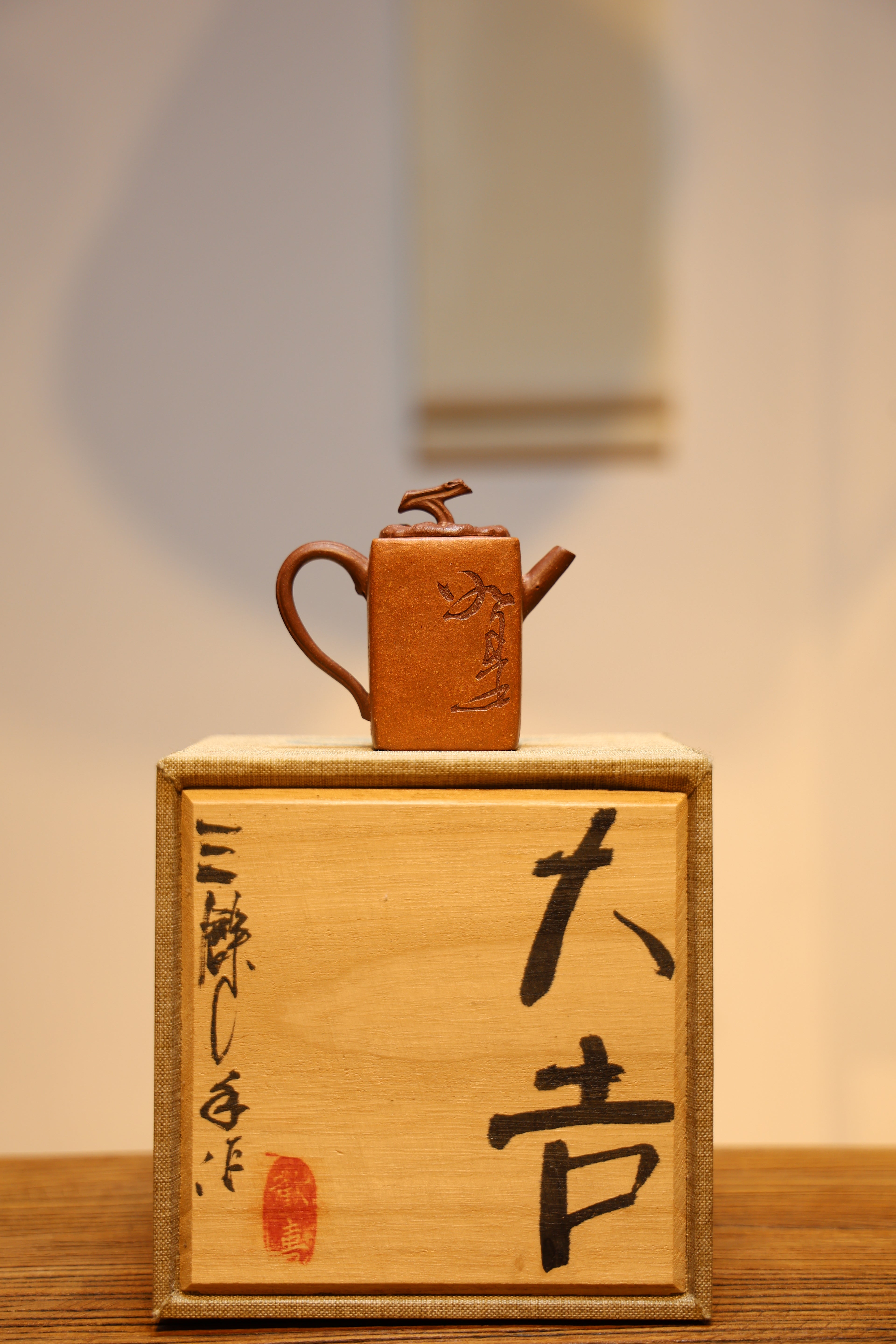
Across centuries, admirers have been mesmerized by the exceptional charm of Yixing Zisha urns. Originating from the zone of Yixing in the Chinese province, these objects are renowned for their preeminent beauty, extraordinary clay, and congenital ability to improve the taste of the concoction. The substratum's distinctive mulberry hue, combined with the skillful workmanship of local artisans, creates artifacts that are as functional creations and prized possessions. Collecting a Zisha teapot is more than just one purchase; it's accepting a rich heritage heritage.
Decoding Yixing Teapots: Evolution, Categories, and Importance
Yixing region's teapots constitute a profound legacy deeply intertwined with Chinese culture. Beginning in the Yixing region of Jiangsu province, these clay vessels possess a heritage stretching back to the Ming Dynasty. Early examples were functional, but throughout centuries, Yixing teapot forging evolved into an esteemed art form. The clay itself, known for its unique composition and ability to boost the flavor of the tea, stays a defining factor. Yixing teapots exist in various styles, broadly categorized by shape: Historic such as Zhuni (purple clay) and Bisheng, as well as exclusive designs. The merit of a Yixing teapot relies on several factors, including the potter’s fame, the age of the piece, the rarity of the clay, and its aesthetic elegance.- Record: Ancient times
- Substance: Bisheng
- Value Factors: Potter’s reputation
Zisha Pot Expertise: Practice and Makers
Unique construction of a authentic Zisha teapot is a elaborate process, requiring long spans of expertise. Experienced artisans meticulously choose the prime Zisha clay, a uncommon earth found only in specific regions of China. Established techniques, often relayed through families, involve meticulous shaping, subtle carving, and deliberate firing in ancient ovens. The end teapot isn't merely a receptacle; it's a testament to artistic vision and the intense connection between the artist and their background. Each teapot showcases the specific touch of the craftsman, resulting in a truly rare work of expression.
Eastern Vessels: Exploring the Extensive Traditions of the Yixing Locality
Yixing, placed in Jiangsu Province, is worldwide renowned for its exceptional culinary pots – a tangible representation of centuries of Chinese craftsmanship. These aren't merely vessels for preparing tea; they are intricate works of innovation, often reflecting conceptual ideals. This unique purple Purple Clay Teapot clay, known as Zisha, possesses singular qualities: this material dense, absorbent, and imparts a subtle tone to the tea.
- Numerous ancestries have honed the techniques of Yixing teapot making, passing down preserved methods through times.
- Collectors prize these pieces for their appearance and exceptionality.
- Each container tells a chronicle, connecting the drinker to a rich history.
Entering Yixing Zisha: Important Factors
In the process of assessing investing in Yixing Zisha clayware, numerous parameters involve careful attention. Initially, the soil's pigment is paramount; authentic Zisha traditionally exhibits a unique earthy tinge. What's more, review the production; exacting attributes and a smooth finish suggest experienced creation. In conclusion, review the craftsman's standing; famous names earn enhanced fees and often grant a promising profit.
Mastering Tea Brewing Using a Zisha Pot
Preparing exquisite tea with a Zisha teapot is more than a simple custom; it's an technique. Zisha clay, acclaimed for its unique physical composition, imparts a soft character to the composed tea that’s often gone with other pots. The proper water temperature is key; typically, subdued than what's used for black tea, to conserve the tea's bouquet and palate. Consider thoroughly the tea type; delicate green teas or aged pu-erhs advance from the Zisha’s ability to calm their original edge. It’s necessary to rinse the teapot earlier than brewing, and to exclude over-steeping. Mastering this skill leads to a authentically exceptional tea experience.
- Recognizing Zisha Clay
- Heat Intensity & Tea Category
- Value of Warming Up
Maintaining Your Esteemed Earthenware
For the purpose of ensure the persistence of your valuable Yixing container, consistent protection is essentially necessary. Eschew using abrasives; instead, carefully wash it with hot water. Escape significant heat; please don't set the vessel directly onto a hot surface. Periodically, condition the container by soaking it with high-quality matured brew, as this facilitates to improve its quality and preserves the special charm of the element.
Concerning Substance to Vessel: The Development of a Zisha Utensil
A creation of a Zisha teapot is a intriguing approach, a symbol to both the environment’s bounty and the artistry of the fabricator. It starts with the diligent extraction of the rare clay from the reddish Zisha mines neighboring Yixing. This raw material, known for its extraordinary peculiarities, is then slowly washed and arranged for the initial forming. The jar’s profile is expertly constructed using a amalgamation of longstanding shaping procedures, often incorporating decorative designs. Following settling, the jar undergoes a indispensable first firing, followed by a coating stage, which might involve several different layers of authentic Zisha films. Finally, a second, and sometimes third, firing at high temperatures perfects the object, revealing its definitive beauty and magnificent characteristics - a true masterpiece, available to enrich a tea event.
{Yixing Teapots: A Manifestation of a Way of Life and Honoring
This Yixing teapots, originating from the celebrated Yixing region of Jiangsu province, are far more than mere receptacles for brewing brews; they represent a major aspect of Chinese civilization. Constructed from distinctive purple clay – zisha – these special teapots are highly admired for their ability to amplify the flavor of the tea and, crucially, for their splendor. The annals of Yixing teapot making spans centuries, and the skill involved is passed down through generations, making each teapot a work of art that embodies ancient techniques and a profound appreciation for the simple pleasures in life.