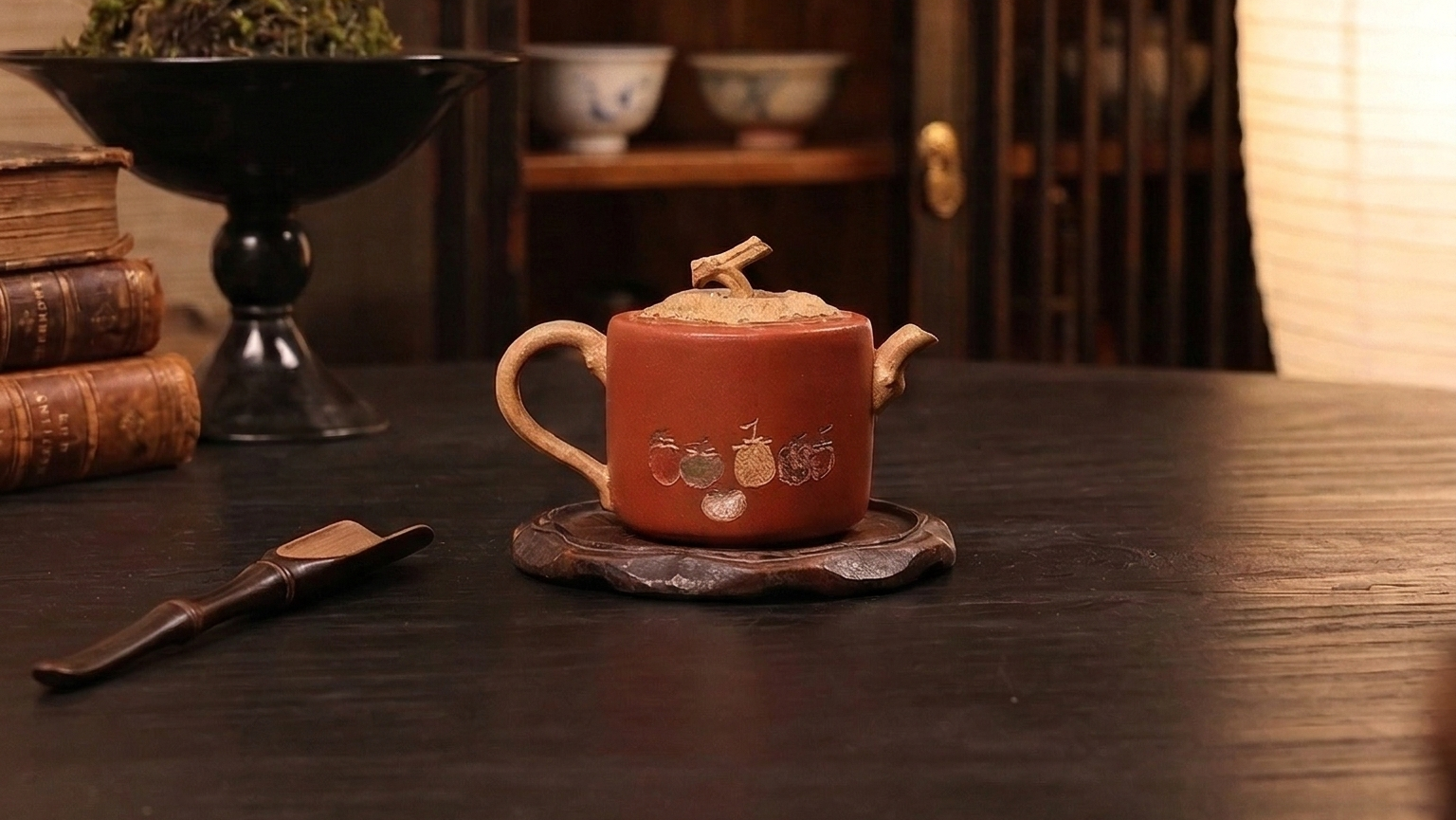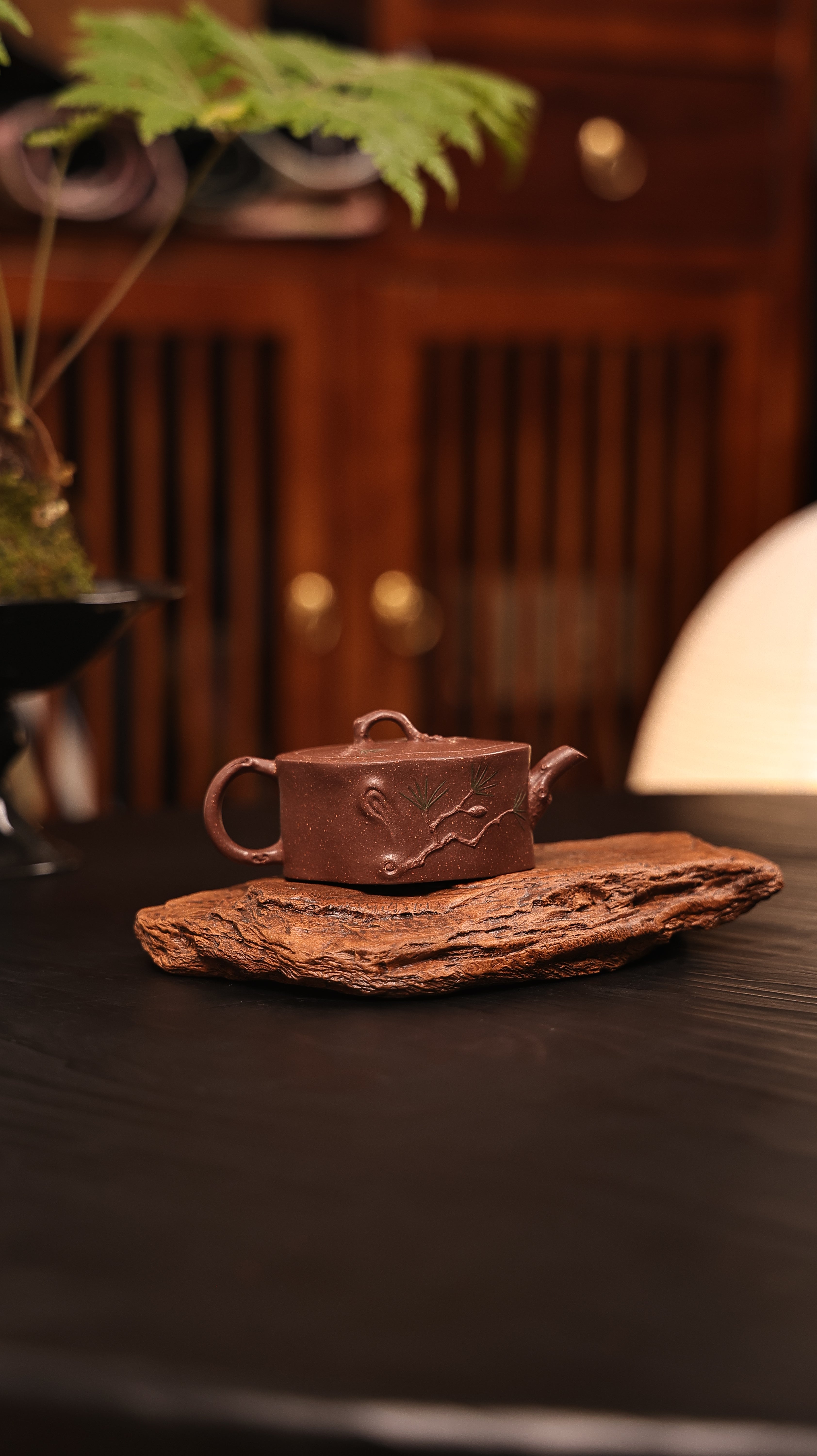
Millennia in devotees have cherished the exclusive enchantment of Yixing Zisha kettles. Born in the cozy town of Yixing, the nation, these jars are crafted from a infrequent and mined purple clay famous for its unmatched thermal aspects and ability to boost the essence of concoctions. Beyond their operative appeal, Zisha teapots represent a extensive traditional roots, designating them markedly treasured and a true jewel for any devoted teapot collector.
Exploring Yixing Teapots
Yixing teapots embody a noteworthy unification of history and experienced craftsmanship. Developing in Yixing, Jiangsu Sector of China, their narrative commences in the Ming Dynasty, although evidence suggest earlier forms. The rare wine-colored clay, called Zisha, found just in the Yixing region, is the essential component, contributing to the pots' superior heat sustaining and the manner they control the notes of tea. Epochs of potters have improved techniques—often handed over through families—including shaping the clay, applying detailed embellishments, and firing the pots at controlled temperatures.- Back then, Yixing teapots were often adorned with simple designs.
- Thereafter, more intricate carvings and expressive motifs became common.
- The baking itself is a indispensable element, requiring long durations of expertise.
Assembling Zisha Teapots: Crucial Factors
Launching a mission to collect Zisha earthenware can be enjoyable, but it’s fundamental to know what to identify. Authenticity is fundamental; focus on the earth’s natural tinge, a delicate reddish-brown is common. Examine the grain; genuine Zisha has a particular tactile sensation, often portrayed as slightly grainy. The morphology should be pleasing and consistent with time-honored styles, while seals, if present, require thorough examination for legitimacy. Don’t avoid to consult with savvy dealers or reliable databases – their insight is precious.
Ancient Pitchers: Researching the Tradition of the Yixing Zisha Clay
Eons have seen Yixing Violet Clay teapots preserve a exceptional role in Chinese custom. These exquisitely made pots, sourced solely from the area of Yixing, are renowned for their recognizable tone, consistency, and their ability to heighten the quality of decoctions. Various collectors chase antique Yixing teapots, appreciating them deeply not only for their aesthetic charm, but also for the chronicle they express.
Yixing Zisha Teapots: A Choice Categories and Their Characteristics
Yixing Ceramics teapots, native to the renowned province of Yixing, the realm, are noted for their distinctive clay and excellent brewing skills. In the several Zisha types, prominent forms that are highly valued include Tianqing. Binzhou, known for its dark purple shade and silky texture, delivers a tempered flavor. Duan Ni subclass, recognizable by its chestnut color and a little grainy feel, is perceived to enhance tea’s heft. Lastly, Zhuni clay boasts an scarce burgundy tone and can lend a gentle nuance. Each breed presents a alternative experience, affording them highly desirable with potion enthusiasts.
Brewing Perfection Personal Earthenware Container
To tap into the magic of your Yixing pot, learning the correct way is necessary. These clay pots, celebrated for their absorbency, will incrementally assimilate the quality of the tea you create within them. Begin by rinsing the teapot thoroughly with tepid water. Then, use only excellent fresh leaf tea, as lower quality options can weaken the premise’s delicate notes. Always enable the leaves to develop completely, and remember that with each preparation, your Yixing pitcher will become gradually distinct.
Caring for Your Priceless Zisha Artifact
Proper management for your Zisha pitcher is important to safeguarding its longevity and worth. Zisha clay, celebrated for its unique nuance and structure, requires careful handling. Never use abrasive formulas, as these can injure the finish. After every action, rinse the container with mild water and allow it to dry completely.
- Sidestep soaking the vessel for extended lengths.
- From time to time use a soft cloth to dress the exterior.
- Explore applying a thin layer of food-grade balm inside the container after drying, which can minimize staining.
Essentials of Yixing Teapots
Yixing earthenware, originating from the Yixing area in Jiangsu Province, inside China, are celebrated for their distinctive features. Constructed from the unique purple compound known as Zisha, these containers are prized by potion enthusiasts worldwide. This guide will concisely explain the pillars – covering varieties of Zisha material, typical shapes, and fundamental care tips. Understanding the heritage of Yixing kettles can heighten your appreciation for this traditional example of Eastern custom.
Technique of Asian Teapots: Concentrating on Zisha found in the Yixing territory
Zisha compound from the Yixing territory represents the pinnacle of Yuan pot design, boasting a special mixture of organic beauty and useful artistry. These outstanding pieces are famed for their vibrant hues, often extending between dark purples and brown hues to subtle greys and muted beiges. The salient mineral composition of the exclusive-to-the-area Zisha substrate imparts a identifying texture and creates a pleasing aroma that richens the aggregate beverage experience, rendering them highly admired collectibles and necessary components of any serious infusion.