Launching aforementioned paper discusses these methods with explosion-proof systems through manufacturing fields.
Executing reliably in treacherous areas such as manufacturing factories commands engineered tools aiming to eliminate anticipated failures. Explosion-proof power fixtures are required constituents in similar grounds, crafted to absorb discharges, flammable emissions, and explosive conditions. Different tools are not originally protected; in contrast they are assembled to hold back any internal ignition or burst and prohibit it from setting off a larger combustion in the vicinal area. This presentation gives crucial knowledge about explosion-proof units, their purposes, and defense elements for setting up them accurately.
Learning Explosion Proof Lighting Standards
Managing specific flammability-rated lighting requirements can be difficult, especially across operations dealing with hazardous locations. These stipulations – often referencing authorized bodies like the National Electrical Code (NEC), ATEX (Europe), and IEC – define clear design and construction procedures to reduce the possibility of combustion from non-explosive hardware. Understanding referenced standards is critical for ensuring worker safety and conformity with applicable requirements.
Semiconductor Spark Proof Emission Units: Quality & Guarding
LED intrinsically safe lighting modules demonstrate a meaningful improvement over former halogen systems in territories where combustible materials are existing. These reliable systems also provide outstanding energy optimization, bringing about minimized running costs, but more importantly guarantee a higher rank of risk mitigation by avoiding the likelihood of sparks due to voltage flare-ups}.
Explosion Resistant Flammable Area Dangerous Proof Spark Glow Flash Resistant} Luminaires : A Elaborate Digest
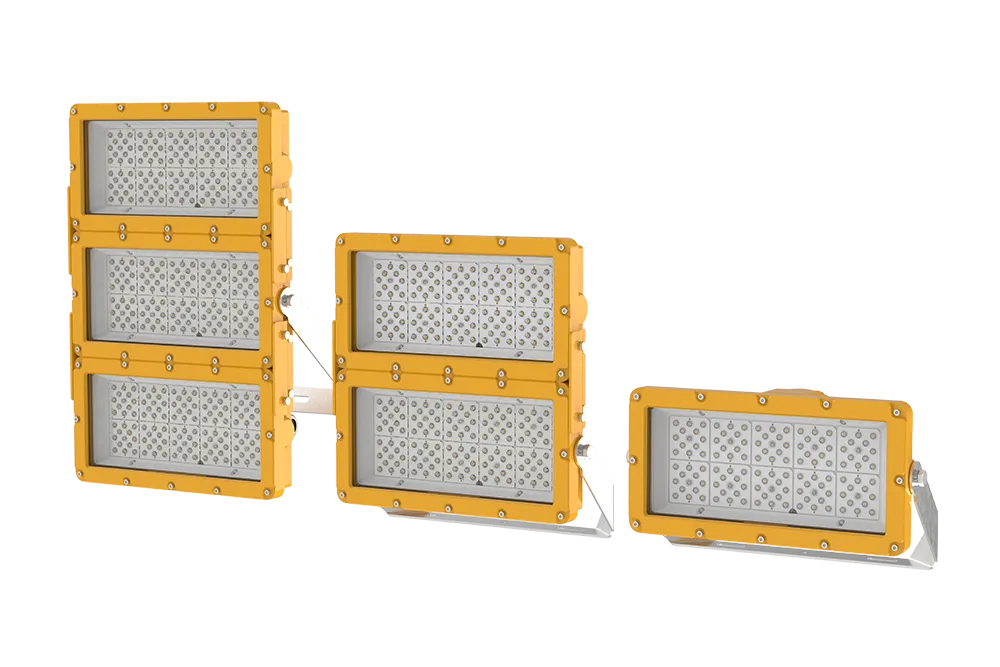
Explosion Proofed Dangerous Region Hazardous Proof} Fixtures are specially manufactured lighting methods built to function safely within plausibly ignitable environments. These sturdy fixtures avoid sparks, heat and current sparks from provoking a critical explosion. They commonly incorporate novel designs, comprising such as closed housings and inherently safe voltage units to confirm safety norms in industries like energy & petrochemical processing, synthesis plants, extraction operations, and healthcare production.
Choosing the Best Hazardous Area Units for Perilous Regions
Identifying the most fitting intrinsically safe sources for a specific regulated area demands in-depth scrutiny. Parameters such as the class (e.g., Group I, II, or III and sectors 0) need to be rigorously verified to confirm agreement with relevant protection directives. Beyond the region's basic liabilities, think about external features, including climate and precipitation, to pick a durable and protected fix. Consistently check a trained engineer to lead your selection process.
Sites Where Apply Explosion Proof Lights?
Explosion-proof commonly known as intrinsically safe|hazardous location|Class-rated} lights are essentially needed in various areas where ignitable emissions or pollutants could can create a dangerous atmosphere. This usually includes manufacturing production plants, varnish application areas, crop handling facilities, and sanitary treatment zones. Regulations, such as those from OSHA and UL, order their fitting in these sectors to deter the risk of ignition and ensure operational integrity.
Positives of Light Emitting Diode in Intrinsically Safe Illumination
Switching to Light Emitting Diode technology for intrinsically safe lighting offers a significant selection of positives. First, electroluminescent units boast a noticeably longer use span compared to traditional gas-discharge sources, reducing servicing expenses and downtime. They are also originally safer, producing offset thermal flux which lowers the possibility of sparking in treacherous atmospheres. What is more, photon emitters are significantly efficient in energy use, leading to lower current draw fees and a diminished environmental imprint. Finally, the hardy build of LED components tolerates the severe surroundings typical of ignition-resistant areas.
- Increased Longevity
- Diminished Servicing Disbursements
- Boosted Security
- Curtailed Voltage Consumption
- Strengthened Resilience
Conserving and Assessing Explosion Proof Lighting Systems
Regular care and detailed checkup of hazardous location lighting frameworks are essentially indispensable for upholding safety and minimizing potential hazards. This entails a periodic review of all modules, such as luminaires, ducts, current conduits, and related distribution boxes. Especially, assess for degradation, structural faults, and adequate earth connection. Over and above, ascertain that collective led explosion proof lights labels are clear and that the light units satisfies official norms.
- Conduct observable reviews.
- Review wire terminations.
- Substantiate intrinsically safe properties.
Forward Outlook of Explosion Proof Lighting Technology
Transforming landscape of explosion-proof units technology promises a substantial shift from traditional designs. Future technologies will steadily incorporate networked capabilities, enabling dispersed monitoring, diagnostics, and dynamic control. We expect a rising adoption of luminescent technology, not only for its fundamental energy efficiency, but also its aptitude to facilitate installed sensors for gauging unstable conditions. Furthermore, materials study is leading innovations in resilient casing materials, allowing for reduced weight and improved designs, while retaining the mandatory levels of hazard prevention.
- Augmented battery life for transportable applications.
- Blending with foreseeing maintenance infrastructures.
- Invention of hands-free lens techniques.