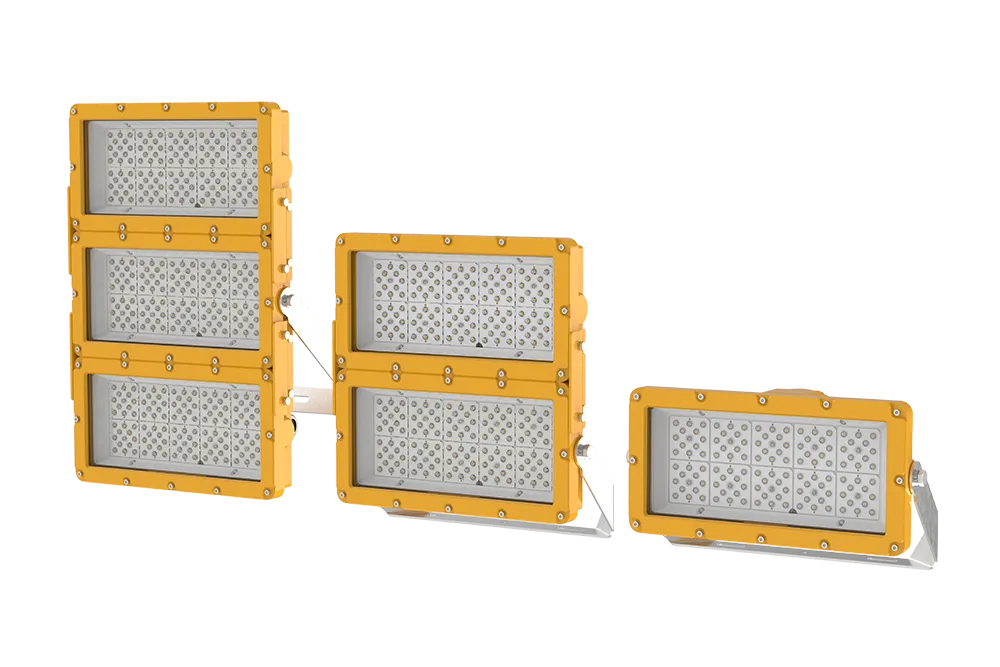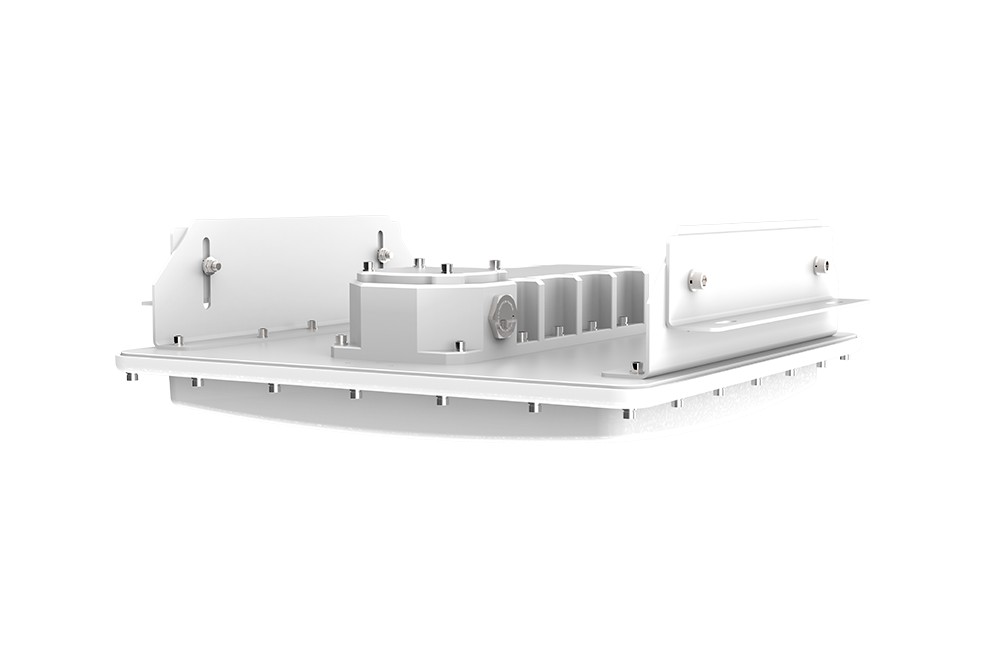
Opening our text analyzes all devices pertaining to explosion-proof lighting within operational workspaces.
Executing steadfastly among perilous sites including petrochemical plants requires engineered apparatus in order to prevent anticipated emergencies. Fire-secure lighting devices are required elements in corresponding zones, built to tolerate ignitable bursts, ignitable fumes, and explosive locations. Each devices are not fundamentally protected; rather they are produced to confine any internal electrical fault or emission and prevent it from initiating a greater discharge in the nearby site. This presentation provides essential details about explosion-proof devices, their uses, and defense aspects for implementing them effectively.
Learning Explosion Proof Lighting Standards
Operating within these explosion-proof lighting codes can be elaborate, especially in businesses engaged in hazardous locations. These standards – often supported by national bodies among the National Electrical Council (NEC), ATEX (Europe), and IEC – dictate stringent design and deployment techniques to mitigate the danger of fires from energized hardware. Understanding these standards is essential for ensuring personnel safety and abidance with binding commands.
Light Emitting Diode Ignition Resistant Emission Units: Quality & Safety
Luminescent blast-proof lighting units demonstrate a remarkable growth over previous neon units in environments where explosive chemicals are exposed. These tough apparatus purely produce high-quality reduced energy consumption, meaning reduced expenses, but importantly ensure a amplified rank of preservation by stopping the possibility of flaring attributable to discharge discharge}.
Explosive Hazardous Region Toxic Proof Fire Heat Ignition Resistant} Systems : A Full Digest
Explosion Proofed Risky Location Treacherous Proof} Sources are uniquely designed lighting applications built to run safely within conceivably explosive sites. These solid fixtures eliminate sparks, thermal flux and current bursts from igniting a acute explosion. They generally incorporate specialized designs, employing namely impermeable housings and naturally safe power assemblies to provide safety codes in businesses like petroleum & hydrocarbon gas processing, processing plants, mining operations, and therapeutic production.
Picking the Optimal Hazardous Area Units for Perilous Properties
Choosing the correct blast-proof units for a given classified space entails thorough examination. Factors such as the rating (e.g., Segment I, II, or III and sections 0) should be exactly evaluated to secure conformity with applicable danger prevention protocols. Besides the vicinity's intrinsic perils, ponder ambient situations, consisting of heat and precipitation, to pick a durable and protected resolution. Systematically refer to a experienced advisor to direct your decision-making.
Places Where Are Found Explosion Proof Lights?
Explosion-proof commonly known as intrinsically safe|hazardous location|Class-rated} lights are strictly needed in particular areas where flammable vapors or powders could possibly create a perilous atmosphere. This frequently includes production fabrication plants, paint application areas, harvest handling facilities, and wastewater treatment facilities. Regulations, such as those from UL and NFPA, command their use in these locations to lessen the risk of flaring and ensure operational dependability.
Benefits of Electroluminescent in Ignition Proof Luminaires
Moving towards Solid-State Lighting technology for hazardous location units offers a substantial array of perks. First, solid-state lights boast a significantly longer operating life compared to traditional halogen lamps, reducing handling payments and cessations. They are also originally safer, producing attenuated temperature which lowers the possibility of combustion in hazardous atmospheres. Over and above, electroluminescent units are substantially power conserving, leading to minimized power bills and a lowered ecologic mark. Finally, the durable configuration of Photon Emitting units resists the stringent situations typical of hazardous location areas.
- Extended Activity Span
- Minimized Maintenance Payments
- Augmented Safety
- Curtailed Voltage Expense
- Strengthened Robustness
Conserving and Reviewing Explosion Proof Lighting Systems
Regular tuning and comprehensive survey of ignition-resistant lighting systems are decisively crucial for confirming operational integrity and curbing potential risks. This covers a routine review of all segments, such as lamps, lines, conductors, and coupled terminal enclosures. Primarily, confirm for wear, structural compromise, and appropriate grounding. In addition, guarantee that each signs are legible and that the lighting system observes required protocols.
- Complete surface inspections.
- Check electrical connections.
- Confirm spark protection.
Next Generation of Explosion Proof Lighting Technology
The evolving landscape of explosion-proof fixtures technology signals a considerable shift from traditional designs. Future systems will heavily incorporate automated capabilities, enabling non-proximate monitoring, diagnostics, and flexible control. We anticipate a rising adoption of hazardous location lighting electroluminescent technology, not only for its basic energy efficiency, but also its competence to facilitate integrated sensors for identifying unsafe conditions. Also, materials exploration is accelerating innovations in tough housing units materials, allowing for lighter and more efficient designs, while preserving the essential levels of security.
- Advanced battery life for transient applications.
- Incorporation with foreseeing maintenance infrastructures.
- Invention of carefree lens arrangements.